What Is Retinol?
Retinol is a derivative of vitamin A and one of the most researched skincare ingredients available. It belongs to a family of compounds called retinoids, which include prescription-strength tretinoin and over-the-counter retinol.
Unlike many trendy ingredients that come and go, retinol has decades of clinical research supporting its efficacy. Dermatologists consistently recommend it for concerns ranging from fine lines to acne to hyperpigmentation.
For beauty brands, retinol represents a proven category with built-in consumer demand. For consumers, it is a powerful tool that requires proper understanding to use safely and effectively.
How Retinol Works
Retinol works at the cellular level to transform skin function. Here is what happens when you apply it:
Accelerates Cell Turnover
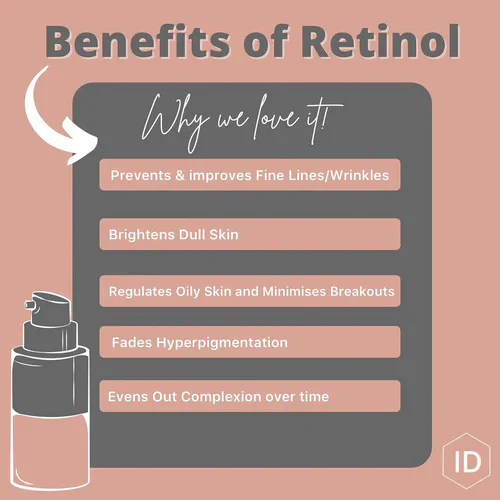
Retinol speeds up the rate at which skin cells renew themselves. Fresh cells move to the surface faster, pushing away dull, damaged cells. This creates smoother texture and brighter tone.
Boosts Collagen Production
Retinol stimulates fibroblasts, the cells responsible for producing collagen. More collagen means firmer skin, reduced fine lines, and improved elasticity over time.
Regulates Sebum
By normalizing skin cell behavior, retinol helps control oil production. This makes it effective for both aging concerns and acne-prone skin.
Fades Hyperpigmentation
Retinol interrupts the process that creates excess melanin. With consistent use, dark spots from sun damage, acne scars, and melasma gradually fade.
Proven Benefits of Retinol
Table
The key phrase is "consistent use." Retinol is not an overnight miracle. It is a long-term investment in skin health that rewards patience with measurable results.
Retinol Concentrations: What Beauty Brands Need to Know


Choosing the right concentration is critical for product success and customer safety.
Table
For beauty brands: Starting with 0.25% or 0.5% makes your product accessible to the widest audience. You can always introduce higher concentrations as customers build tolerance.
The RhinoBird Approach: Our formulation library includes retinol serums at multiple concentrations, each stability-tested and compliance-screened. Choose the strength that matches your target customer and brand positioning.
Formulating with Retinol: Technical Considerations
Retinol is a challenging ingredient to formulate. It degrades easily when exposed to light, air, and heat. Proper formulation determines whether your product delivers results or disappoints customers.
Packaging Requirements
Amber or opaque glass bottles protect against light degradation
Airless pumps or dropper bottles minimize oxygen exposure
Small volumes (15-30ml) ensure customers use the product before it oxidizes
Formulation Stability
Encapsulation technology extends retinol stability and release
Antioxidants like vitamin E can support retinol integrity
pH considerations affect retinol penetration and activity
Supporting Ingredients
Successful retinol products often include:
Hyaluronic acid for hydration counterbalance
Niacinamide for barrier support and additional brightening
Ceramides to strengthen skin barrier during adjustment
Squalane for lightweight moisture without clogging pores
The RhinoBird Advantage: Our mature retinol formulations include optimized delivery systems and complementary ingredients. You get stable, effective products without solving complex formulation chemistry independently.
How to Use Retinol: Consumer Guidance
For brands selling retinol, clear usage instructions reduce negative reviews and returns.
The Introduction Protocol
Week 1-2: Apply once every third night
Week 3-4: Increase to every other night
Week 5+: Progress to nightly use if tolerated
Application Best Practices
Apply to clean, dry skin
Use a pea-sized amount for the entire face
Follow with moisturizer to reduce dryness
Always use SPF 30+ during the day (retinol increases sun sensitivity)
Avoid combining with other strong actives initially (AHAs, BHAs, additional vitamin C)
What to Expect
Week 1-2: Possible dryness, mild flaking, slight redness (the "retinization" period)
Week 4-6: Skin texture improves, brightness increases
Week 8-12: Fine lines soften, dark spots fade, collagen production increases
Month 4-6: Significant visible improvement in multiple concerns
Managing expectations through clear communication prevents customers from abandoning retinol during the adjustment phase.
Common Retinol Myths to Address
Myth 1: Retinol Thins the Skin
Reality: Retinol thickens the deeper dermal layer by stimulating collagen. It only thins the outermost dead skin layer, which is beneficial.
Myth 2: You Cannot Use Retinol in Summer
Reality: You can use retinol year-round with proper sun protection. The key is consistent SPF use, not seasonal avoidance.
Myth 3: Retinol and Vitamin C Cannot Be Used Together
Reality: They can be used together, though sensitive users may prefer separating them (vitamin C in morning, retinol at night).
Myth 4: Natural Retinol Alternatives Work the Same
Reality: Bakuchiol and other plant-based alternatives show promise but lack the extensive research and proven efficacy of retinol.
Retinol Product Positioning for Beauty Brands
Retinol products fit multiple brand positions. Consider these angles:
The Science-Forward Brand
Emphasize clinical research, specific concentrations, and dermatologist recommendations. Clean, clinical packaging supports this positioning.
The Gentle Introduction Brand
Focus on low concentrations, supportive ingredients, and beginner-friendly guidance. Soft, approachable aesthetics work here.
The Results-Driven Brand
Highlight before and after documentation, specific timelines, and transformation stories. Bold, confident messaging fits this approach.
The Clean Beauty Brand
Address the paradox of using a synthetic ingredient in a natural brand. Frame retinol as a "proven active" supported by botanical soothing ingredients.
Regulatory Considerations for Retinol Products
Retinol is generally classified as a cosmetic ingredient, but regulatory boundaries matter.
United States (FDA):
Retinol is a cosmetic ingredient, not a drug, at typical concentrations
Avoid drug claims ("treats acne," "reverses aging") to prevent reclassification
MoCRA requires facility registration and adverse event reporting
European Union:
Retinol concentrations in cosmetic products have maximum limits
Safety assessments must address potential reproductive toxicity concerns
Proper labeling with usage instructions is required
Other Markets:
Canada, Australia, and Asian markets have specific retinol regulations
Some markets restrict retinol concentrations or require specific warnings
The RhinoBird Solution: Our smart compliance screening checks your retinol product against regulations in your target markets automatically. Concentration limits, labeling requirements, and claim boundaries are verified in real time.
Conclusion: Retinol Is a Brand Foundation Ingredient
Retinol is not a trend. It is a category staple with proven demand, extensive research, and loyal users. For beauty brands, offering a well-formulated retinol product is a strategic move that builds credibility and attracts long-term customers.
The key is doing it right. Proper concentration, stable formulation, clear guidance, and regulatory compliance separate successful retinol products from disappointing ones.
Whether you are launching your first retinol serum or expanding an existing line, prioritize quality and transparency. Your customers will reward you with loyalty and results.
Ready to launch a retinol product with confidence? RhinoBird provides pre-tested, stable retinol formulations at multiple concentrations. Our smart compliance screening ensures your product meets regulations in every target market. Start with a Launch Kit to validate your retinol concept before scaling.
Frequently Asked Questions
Q: What concentration should my brand start with?
A: 0.25% or 0.5% is ideal for first-time retinol users. This captures the broadest audience while minimizing irritation complaints. Reserve higher concentrations for advanced product lines.
Q: How do I prevent retinol from degrading in my product?
A: Use opaque, airless packaging. Consider encapsulation technology. Include stabilizing antioxidants. Keep batch sizes manageable to ensure freshness.
Q: Can I make organic or natural retinol claims?
A: Retinol is synthetically produced. You cannot claim it is natural or organic. However, you can position it as a "science-backed active" within a clean formulation that includes natural supporting ingredients.
Q: What claims can I legally make about retinol?
A: Stick to cosmetic claims: "reduces appearance of fine lines," "improves skin texture," "promotes radiant complexion." Avoid drug claims like "treats acne" or "reverses aging" unless you want FDA drug classification.
Q: How should I price my retinol product?
A: Retinol serums typically retail between $30 and $150 depending on concentration, packaging, brand positioning, and additional active ingredients. The market accepts premium pricing for proven, well-formulated retinol.
About RhinoBird
RhinoBird is the one-stop cosmetics development platform helping beauty brands launch with confidence. Our mature retinol formulations, smart compliance screening, and transparent pricing ensure your retinol product meets the highest standards from day one.