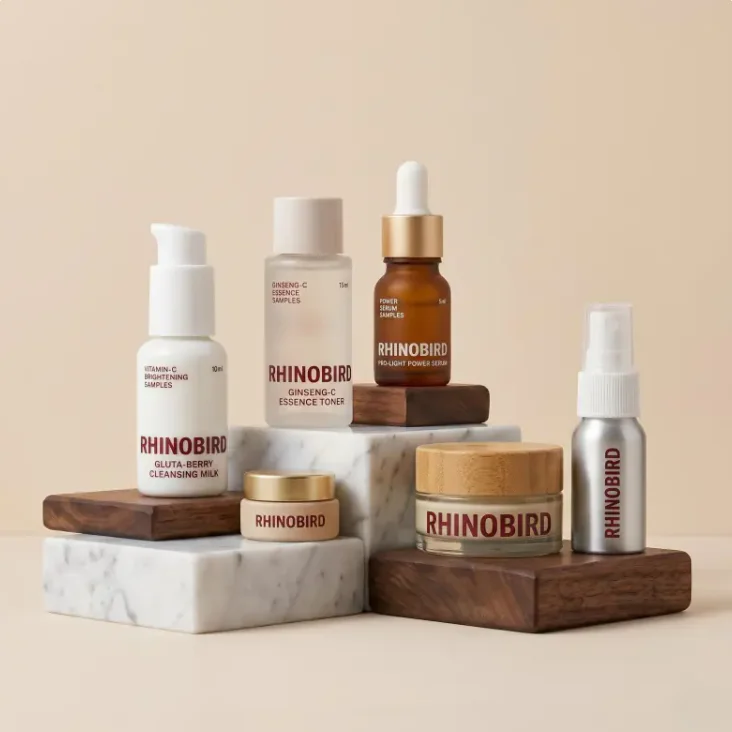
The Sameness Problem
Walk through any beauty retailer or scroll through Instagram. The same minimalist packaging. The same "clean" claims. The same pastel color palettes. The same influencer partnerships. The same "for all skin types" promises.
Welcome to beauty homogeneity. It is the silent killer of small brands.
The beauty industry has never been more crowded. Over 1,200 new beauty brands launched in 2025 alone. Yet most fade into the background because they look, sound, and feel identical to everything else.
For small beauty brands, this is both a threat and an opportunity. The threat is real: without differentiation, you compete only on price. The opportunity? Authenticity is the one thing big brands cannot manufacture.
This guide shows you how to break free from the sea of sameness and build a brand that customers actually remember.
Why Homogeneity Happens (And Why It Hurts)
The Copycat Trap
New brands often look at successful competitors and think: "If I do what they do, I will succeed too." This logic seems sound. It is actually fatal.
When you copy Glossier's pink aesthetic or The Ordinary's clinical packaging, you signal one thing to customers: you have nothing original to say. You become a cheaper, less credible version of something that already exists.
The Private Label Problem
Many small brands start with off-the-shelf formulas and generic packaging. This creates an immediate homogeneity crisis. If your product is identical to five other brands on the shelf, why should anyone choose you?
The Algorithm Effect
Social media algorithms reward what already works. This pushes brands toward trending aesthetics, popular ingredients, and proven content formats. The result? Everyone starts looking the same because the system rewards sameness.
The Cost of Blending In
When customers cannot tell you apart from competitors, three things happen:
Price becomes the only differentiator (and small brands cannot win price wars)
Customer loyalty evaporates (why stay when alternatives are identical?)
Marketing costs skyrocket (you must shout louder to be heard in a noisy room)
6 Strategies to Break Free From Homogeneity
1. Own Your Specific Audience

Fenty Beauty did not try to serve everyone. They started with one underserved audience: people with deeper skin tones who could never find their shade. This specificity created explosive growth.
The lesson: The more specific your audience, the stronger your brand.
How to apply it:
Identify one group whose needs are ignored by mainstream brands
Build your entire brand around serving them exceptionally well
Use their language, address their specific concerns, reflect their reality
Examples in action:
A skincare line specifically for menopausal skin changes
A makeup brand for people with vitiligo
A haircare line for swimmers dealing with chlorine damage
Specificity feels risky. It is actually your safest path to standing out.
2. Design Packaging That Tells a Story

In a sea of minimalist white tubes, bold packaging becomes a billboard. But bold does not mean loud. It means intentional.
Questions to ask:
What story does our packaging tell before anyone reads a word?
Would a customer Instagram this unprompted?
Does our packaging feel like it belongs to a specific world?
The RhinoBird Advantage: Our real-time 3D editor lets you experiment with packaging designs that break conventions. Test unconventional shapes, textures, and color palettes without committing to massive production runs. See what stands out before you scale.
3. Build a Brand World, Not Just a Product Line

Homogeneous brands sell products. Distinctive brands build worlds.
A brand world includes:
A specific point of view on beauty (not just "everyone is beautiful")
Consistent visual language across every touchpoint
A community with shared values and inside references
Content that entertains and educates, not just sells
Example: A brand focused on slow beauty might create:
Packaging that feels like artisan ceramics
Content about morning rituals and mindfulness
Partnerships with yoga studios instead of gyms
Language that rejects "hacks" and "quick fixes"
This coherence makes your brand instantly recognizable. Customers know your world when they see it.
4. Lead With Formulation Differentiation
Many small brands use the same private label formulas with different labels. This is homogeneity at its most basic.
True differentiation starts with what is inside the bottle.
Ways to differentiate through formulation:
Unique ingredient combinations that solve specific problems
Novel textures or application methods
Concentrations that differ from market norms
Sensory experiences (scent, color, ritual) that create emotional connection
The challenge: Custom formulation is expensive and risky for small brands.
The solution: Work with platforms that offer mature, differentiated formulas without requiring massive R&D investment. RhinoBird provides access to tested formulations that go beyond basic private label, helping you create products that genuinely differ from competitors.
5. Speak in a Voice Only You Can Use
Your brand voice is your personality. When every brand sounds the same ("Hey babe, self-care Sunday!"), a distinctive voice becomes magnetic.
How to find your voice:
Write as if speaking to one specific customer
Use the vocabulary they actually use
Take a stand on something (gentle, but clear)
Avoid beauty industry cliches
Voice examples:
A dermatologist-founded brand might sound clinical, precise, and slightly formal
A teen-focused brand might use internet slang, humor, and self-aware irony
A luxury botanical brand might sound poetic, slow, and sensory
The key is consistency. Your voice should be recognizable whether someone reads your Instagram caption, your product label, or your email subject line.
6. Create Rituals, Not Routines
Homogeneous brands sell routines: "Use this cleanser, then this toner, then this serum."
Distinctive brands create rituals. They transform mundane application into meaningful moments.
The difference:
A routine is functional: "Apply moisturizer after cleansing"
A ritual is emotional: "Press the cream into your skin while breathing deeply. This is your moment of calm before the day begins."
Rituals cannot be copied because they live in your brand story. They require:
Intentional product design (texture, scent, packaging weight)
Educational content that teaches the ritual
Community stories that show the ritual in real lives
When customers adopt your ritual, they become emotionally invested. Switching brands means abandoning a practice that feels meaningful.
The Authenticity Checklist
Use this checklist to audit your brand for homogeneity:
Table
If most of your brand falls in the "homogeneous" column, you have work to do.
Common Differentiation Mistakes to Avoid
❌ Being Different for Difference Sake
A neon green serum in a fish-shaped bottle gets attention. It does not get trust. Differentiation must serve your audience and your story.
❌ Confusing Aesthetic with Strategy
Pink packaging is not a brand strategy. It is a color choice. True differentiation runs deeper than visual surface.
❌ Abandoning Your Difference When Growth Pressures Hit
As you scale, there will be pressure to broaden your appeal. Resist. Your specificity is your strength.
❌ Copying "Different" Brands
When every indie brand starts looking like Aesop, Aesop stops being distinctive. Do not chase the current definition of different. Define your own.
Conclusion: Your Uniqueness Is Your Business Model
In a market flooded with sameness, authenticity is not a nice-to-have. It is your survival strategy.
The brands that thrive in 2026 and beyond will not be the ones with the biggest budgets or the most SKUs. They will be the ones that customers can identify in an instant. The ones that feel like they were made for someone specific. The ones that stand for something clear.
You do not need to be everything to everyone. You need to be everything to someone.
Start with one specific audience. Build one distinctive product. Speak in one authentic voice. Create one meaningful ritual.
That is how small beauty brands survive. That is how they win.
Ready to build a beauty brand that stands out from day one? RhinoBird helps small brands break free from generic private label with differentiated formulations, custom packaging design, and smart compliance screening. Create products that are unmistakably yours.
Build Your Distinctive Beauty Brand →
Frequently Asked Questions
Q: How do I know if my brand is too similar to competitors?
A: Cover your logo and show your packaging to a stranger alongside three competitors. If they cannot identify which is yours, you need stronger differentiation.
Q: Can I be too niche?
A: In beauty, niche is often an advantage. A focused audience creates deeper loyalty and clearer messaging. You can always expand once you own your niche.
Q: How much does differentiation cost?
A: It does not require massive budgets. It requires clear decisions. Choosing a specific audience costs nothing. Developing a distinctive voice costs nothing. Custom formulation and packaging have costs, but platforms like RhinoBird reduce these through pre-tested options and low MOQ flexibility.
Q: What if my differentiator gets copied?
A: Copycats can replicate your product. They cannot replicate your story, your community, or your relationship with customers. Focus on building those moats.
About RhinoBird
RhinoBird is the one-stop cosmetics development platform helping beauty brands launch with confidence. From differentiated formulations to custom packaging to smart compliance screening, we provide the tools to build brands that stand out authentically.