What Is Rosemary?
Rosemary is an evergreen herb native to the Mediterranean region. Its scientific name is Rosmarinus officinalis, and it has been used for centuries in cooking, medicine, and beauty rituals.
In skincare and haircare, rosemary delivers powerful benefits through several active compounds. Rosmarinic acid provides antioxidant and anti-inflammatory properties. Carnosic acid and carnosol offer additional antioxidant protection. The essential oil contains camphor, cineole, and borneol, which stimulate circulation and support cellular renewal.
For beauty brands, rosemary represents a bridge between tradition and modern science. It is a natural ingredient with growing clinical validation. For consumers, it offers visible results without the harshness of synthetic alternatives.
How Rosemary Works in Beauty Products
Rosemary functions through multiple mechanisms that benefit both skin and hair.
Powerful Antioxidant Protection
Rosemary extract neutralizes free radicals that cause premature aging. Its antioxidant capacity rivals synthetic preservatives like BHT, making it valuable for both product stability and skin protection.
Anti-Inflammatory Action
Rosmarinic acid calms irritated skin, reduces redness, and soothes conditions like eczema and dermatitis. This makes rosemary suitable for sensitive and reactive skin types.
Circulation and Microcirculation Support
Rosemary oil stimulates blood flow when applied to skin and scalp. Better circulation delivers more oxygen and nutrients to tissues, supporting repair and renewal.
Antimicrobial Properties
Rosemary exhibits natural antibacterial and antifungal activity. This helps preserve products naturally and supports skin prone to breakouts or scalp conditions.
Collagen Support
Emerging research suggests rosemary compounds may help protect existing collagen and support healthy collagen production, contributing to firmer, more resilient skin.
Proven Benefits of Rosemary
Table
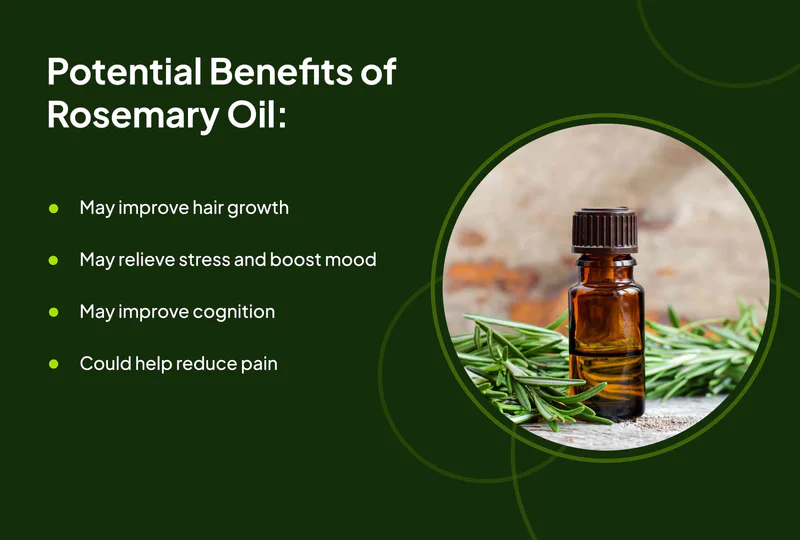
The standout benefit drawing consumer attention is rosemary's potential for hair growth support. A 2015 randomized comparative trial found rosemary oil performed comparably to minoxidil 2% for stimulating hair growth in people with androgenetic alopecia, with fewer side effects like scalp itching.
Types of Rosemary Used in Beauty Products


Not all rosemary ingredients function the same way. Understanding the different forms helps brands choose the right one for their formulations.
Table
Rosemary essential oil is the most potent form and carries the strongest hair growth research. However, it requires careful dilution (typically 1-2% in leave-on products) and can irritate sensitive skin if used improperly.
Rosemary extract is the preferred form for skincare. It delivers antioxidant and anti-inflammatory benefits without the intensity of essential oil. It is also easier to standardize for consistent product performance.
Rosemary hydrosol offers the gentlest application. It works beautifully in toners and mists for sensitive skin or consumers who prefer subtle natural fragrances.
Formulating with Rosemary: What Beauty Brands Need to Know


Rosemary is generally well-tolerated, but formulation best practices ensure safety and efficacy.
Concentration Guidelines
Table
Formulation Compatibility
Rosemary works well with:
Vitamin C and E for enhanced antioxidant synergy
Hyaluronic acid for hydration support
Niacinamide for barrier repair and brightening
Peptides for complementary anti-aging action
Aloe vera for soothing sensitive skin formulations
Rosemary should be used carefully with:
Other essential oils (total essential oil concentration must stay within safe limits)
Strong actives like retinol (may increase sensitivity in some users)
Stability Considerations
Rosemary extract is stable across typical cosmetic pH ranges (4.0 to 7.0)
Rosemary essential oil can oxidize over time; store in amber containers
Rosemary extract serves as a natural antioxidant, extending shelf life of oils in your formulation
Heat stability is good; suitable for cold process and emulsion formulations
The RhinoBird Approach: Our formulation library includes rosemary-based products ranging from gentle hydrosol toners to potent hair growth serums. Each formula is stability-tested and compliance-screened for global markets.
Rosemary for Hair: The Growth Opportunity
Hair care represents the fastest-growing application for rosemary in beauty. Consumer searches for "rosemary oil hair growth" have surged as people seek natural alternatives to pharmaceutical treatments.
The Science Behind Rosemary and Hair
Stimulates blood circulation to hair follicles
Inhibits DHT (dihydrotestosterone), the hormone linked to pattern hair loss
Provides antioxidant protection to follicle cells
Reduces scalp inflammation that can impede growth
Strengthens existing hair strands
Product Opportunities for Brands
Pre-shampoo scalp treatments: Concentrated rosemary oil blends applied to scalp before washing
Leave-in scalp serums: Daily treatments for ongoing follicle support
Hair masks: Deep conditioning with rosemary for strength and shine
Shampoos and conditioners: Maintenance products with rosemary for scalp health
Hair growth systems: Multi-product routines combining rosemary with complementary actives
Positioning Rosemary Hair Products
Natural alternative to minoxidil
Backed by clinical research
Suitable for long-term daily use
Free from hormonal side effects
Rooted in Mediterranean wellness tradition
Positioning Rosemary Products for Your Brand
Rosemary fits multiple brand narratives. Consider these angles:
The Mediterranean Wellness Brand
Emphasize rosemary's heritage in Mediterranean beauty rituals. Use earth-toned packaging, botanical imagery, and language that evokes sun, sea, and ancient wisdom.
The Clean Science Brand
Highlight clinical research, standardized extracts, and measurable results. Position rosemary as a natural ingredient with proven efficacy, not just folklore.
The Gentle Natural Brand
Focus on rosemary hydrosol and extract for sensitive skin. Emphasize soothing, calming, and nurturing properties. Soft, green aesthetics support this positioning.
The Hair Growth Specialist Brand
Build your identity around rosemary as your hero ingredient for scalp health and hair growth. Clinical before-and-after documentation is essential for this positioning.
Regulatory Considerations for Rosemary Products
Rosemary is generally well-accepted in cosmetic regulations, but specific forms have nuances.
United States (FDA):
Rosemary extract and essential oil are cosmetic ingredients
Essential oil concentration limits apply for safety
Pregnancy warnings recommended for essential oil products
MoCRA facility registration and product listing apply
European Union:
Rosemary extract is permitted with standard restrictions
Essential oil falls under fragrance allergen regulations
Must list limonene, linalool, and other potential allergens on labels
IFRA standards for essential oil usage rates apply
Other Markets:
Generally accepted across Asian markets
Some markets require additional documentation for essential oil sourcing
Organic certification adds value in premium positioning
The RhinoBird Solution: Our smart compliance screening evaluates your rosemary product against regulations in your target markets. We verify concentration limits, allergen labeling requirements, and claim boundaries automatically.
Consumer Education: What Buyers Need to Know
For brands selling rosemary products, clear education builds trust and ensures proper use.
Set Realistic Expectations
Rosemary is not an overnight miracle. Hair growth results typically appear after 3-6 months of consistent use. Skin benefits develop over 4-8 weeks.
Explain the Science Simply
"Rosemary stimulates circulation to your scalp and provides antioxidant protection to your follicles. Think of it as fertilizer for your hair garden. It creates the healthy environment growth needs."
Address the Scent
Rosemary has a distinctive herbal aroma. Some consumers love it. Others need adjustment. Frame the scent as part of the natural experience or choose extract forms with milder fragrance profiles.
Usage Guidance for Hair
Apply to scalp, not just hair strands
Massage for 2-3 minutes to stimulate circulation
Use consistently for at least 3 months before evaluating results
Combine with gentle cleansing to prevent buildup
Usage Guidance for Skin
Patch test before full application
Start with lower concentrations if you have sensitive skin
Avoid essential oil forms if pregnant or breastfeeding
Use morning and night for antioxidant protection
Conclusion: Rosemary Is a Versatile Brand Foundation Ingredient
Rosemary occupies a unique position in beauty. It is natural, clinically supported, versatile across skin and hair applications, and appeals to consumers seeking effective alternatives to synthetic actives.
For beauty brands, rosemary offers multiple product opportunities. A single hero ingredient can anchor a hair growth line, a sensitive skin collection, an antioxidant anti-aging range, or a Mediterranean wellness brand.
The brands that succeed with rosemary will be those that formulate thoughtfully, educate clearly, and position authentically. Whether you are launching your first natural product or expanding an established line, rosemary deserves consideration in your ingredient portfolio.
Ready to launch a rosemary product with confidence? RhinoBird provides access to stable, effective rosemary formulations for skin and hair. Our smart compliance screening ensures your product meets regulations in every target market. Start with a Launch Kit to validate your rosemary concept before scaling.
Launch Your Rosemary Product →
Frequently Asked Questions
Q: Is rosemary oil as effective as minoxidil for hair growth?
A: A 2015 clinical trial showed rosemary oil performed comparably to minoxidil 2% over 6 months, with fewer side effects like scalp itching. Results require consistent use and patience. It is a natural alternative worth considering, though individual results vary.
Q: Can rosemary essential oil be used directly on skin?
A: No. Rosemary essential oil must always be diluted in a carrier oil or formulation. Direct application can cause irritation, burning, or sensitization. Typical leave-on concentrations are 0.5% to 1.0%.
Q: Is rosemary safe during pregnancy?
A: Rosemary essential oil should be avoided during pregnancy due to its stimulating properties. Rosemary extract and hydrosol are generally considered safe, but consult a healthcare provider for individual guidance.
Q: What concentration should my brand start with?
A: For skincare, 0.5% to 1.0% rosemary extract is ideal for most consumers. For hair growth serums, 1.0% to 2.0% rosemary essential oil in a carrier base delivers research-supported results while remaining safe.
Q: Does rosemary work for all hair types?
A: Rosemary supports scalp health and circulation, which benefits all hair types. However, it specifically addresses androgenetic alopecia (pattern hair loss). Other causes of hair loss may require different treatments.
Q: Can I make organic claims with rosemary?
A: Yes, if your rosemary is certified organic and your formulation meets organic product standards. Organic rosemary carries premium positioning and appeals to clean beauty consumers. Ensure your supply chain documentation supports any organic claims.
About RhinoBird
RhinoBird is the one-stop cosmetics development platform helping beauty brands launch with confidence. Our rosemary formulations, smart compliance screening, and transparent pricing ensure your natural beauty products meet the highest standards from day one.