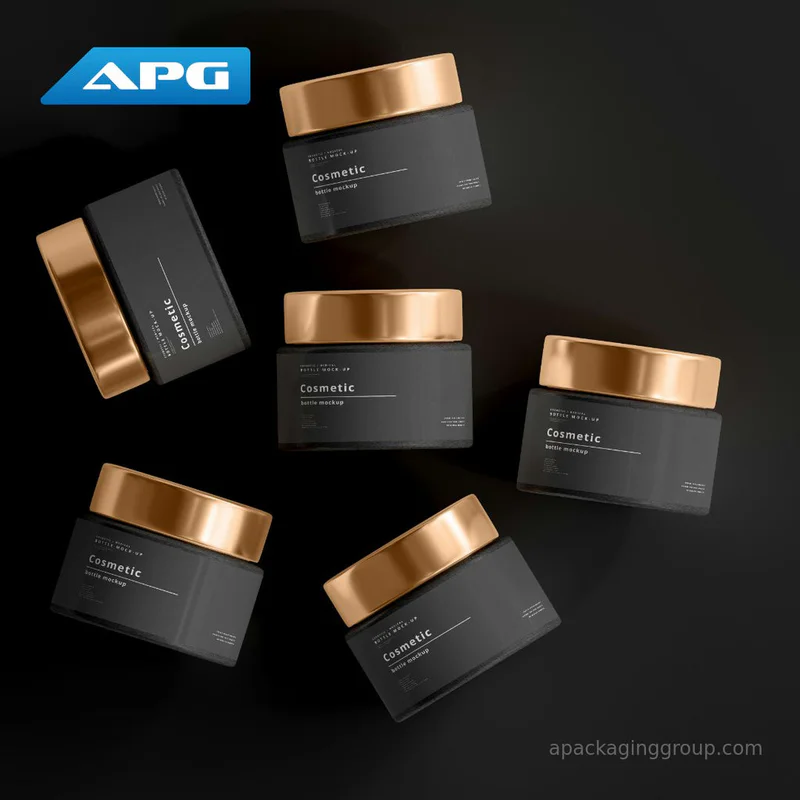
The Packaging Paradox
Customers judge beauty products in 3 seconds. Before they read your ingredient list or research your brand story, they see your packaging. It is your first impression, your silent salesperson, your brand promise made visible.
Here is the problem: luxury packaging looks expensive because it often is. Embossed boxes, foil-stamped labels, weighted glass bottles, and custom-molded components can cost $15-30 per unit at low volumes. For startups ordering 500-1000 units, this pricing is impossible.
But here is the opportunity: luxury is not about cost. It is about perception. Strategic design choices, material selection, and production decisions can create premium packaging at startup-friendly prices.
This guide shows you exactly how.
What Makes Packaging Look Luxury
Before cutting costs, understand what creates the perception of luxury. Then replicate those signals affordably.
Table
The pattern is clear. Luxury packaging communicates restraint, intention, and consistency. None of these require massive budgets. They require discipline.
7 Strategies for Luxury Packaging on a Startup Budget
1. Embrace Minimalism

The most expensive-looking brands often use the least visual elements. Aesop. Glossier. The Ordinary. Each built billion-dollar identities on simplicity.
Why minimalism saves money:
Fewer colors mean fewer printing passes
Simple shapes require standard molds, not custom tooling
Clean labels need less ink and simpler production
White space is free
How to execute:
Choose one primary color and one accent color
Use one typeface across all packaging
Remove decorative elements that do not serve a purpose
Let negative space do the visual work
Cost impact: Minimalist designs can reduce packaging costs by 20-40% compared to complex multi-color designs while looking more premium.
2. Invest in Typography
Typography is the most underrated luxury signal in packaging. A $200 font license creates more perceived value than a $2000 embellishment.
What to look for:
High-quality typefaces with multiple weights (light, regular, bold)
Clean sans-serifs for modern positioning (Helvetica Neue, Futura, Avenir)
Elegant serifs for classic positioning (Didot, Bodoni, Cormorant)
Proper kerning and letter spacing
What to avoid:
Free fonts that appear on every Canva template
More than two typefaces on one package
Trendy display fonts that will date quickly
Pro tip: Hire a designer for 2-3 hours to set up your typographic system. This small investment pays dividends across every packaging component.
3. Choose Materials Strategically
Material selection has the biggest impact on both cost and perception.
Glass vs. Plastic
Table
The startup solution: Use glass for hero products where weight matters most. Use premium recycled plastic for secondary products or travel sizes. Many consumers now associate PCR plastic with sustainability values, which carries its own premium positioning.
Paper and Board
Standard folding carton: $0.30-0.80 per unit
Textured art paper: $0.50-1.20 per unit
Soft-touch laminated board: $0.80-1.50 per unit
The jump from standard to textured paper costs pennies per unit but creates a dramatic tactile difference.
The RhinoBird Approach: Our packaging library includes pre-selected materials at startup-friendly minimums. Choose from glass, premium PCR plastic, and textured paper options without committing to massive volumes. See and feel samples through our Launch Kit before scaling.
4. Use Color Psychology Deliberately
Color creates instant emotional response. Choose intentionally.
Table
Limit yourself to one dominant color and one accent. This restraint reads as confidence.
5. Add One Signature Detail
Luxury lives in details. Choose one elevated element that customers notice and remember.
Affordable signature details:
Debossed or embossed logo on outer box: Adds $0.20-0.50 per unit at volume
Foil-stamped accent line: Adds $0.15-0.40 per unit
Custom-colored bottle or cap: Adds $0.30-0.80 per unit
Magnetic closure on box: Adds $0.50-1.00 per unit
Ribbed or textured cap: Adds $0.10-0.30 per unit
Choose one detail. Make it consistent across your line. One strong signature beats five weak ones.
6. Design for Instagram, Not Just the Shelf


Instagram-friendly design principles:
Strong silhouette that reads at small sizes
Consistent color blocking for grid aesthetics
Tactile details that beg to be touched and shared
Unboxing moments worth filming
Practical execution:
Test your packaging under phone camera lighting
Photograph prototypes from multiple angles
Share mockups with target customers for feedback
Design the unboxing sequence as carefully as the exterior
Cost impact: Instagram-friendly design requires no additional production cost. It is a design discipline, not a material expense.
7. Prioritize Consistency Over Complexity
A cohesive line of three products looks more luxurious than three individually beautiful but unrelated packages.
Consistency checklist:
Same bottle shape across the line
Same label layout and typographic system
Same color palette with logical variation (different accent colors per product)
Same cap style and closure mechanism
Same outer box construction and finishing
This consistency signals intentionality. It tells customers you designed a system, not just a product.
Budget Breakdown: What Luxury Costs at Startup Scale
Table
Total packaging cost per unit:
Budget luxury: $3.00-5.00
Premium startup: $6.00-10.00
True luxury: $12.00-25.00
Most successful startup beauty brands land in the $4.00-7.00 range. This delivers strong luxury perception while maintaining healthy margins.
Common Packaging Mistakes Startups Make
Overspending on the bottle, underspending on the box
Customers keep boxes on their vanity. They throw bottles in recycling. Allocate budget where visibility lasts longest.
Choosing complexity over clarity
Intricate die-cuts, multiple materials, and elaborate constructions increase cost and failure rate. Simple shapes executed flawlessly look more premium than complex shapes done poorly.
Ignoring functional requirements
A beautiful pump that dispenses inconsistently destroys brand trust. Test every component for function, not just form.
Designing in isolation
Create packaging as part of a system: website, social media, retail display, and shipping materials should feel like one world.
Conclusion: Luxury Is a Decision, Not a Budget
The brands that win do not necessarily spend the most on packaging. They make the most intentional decisions.
Choose restraint over ornamentation. Typography over embellishment. Consistency over complexity. One signature detail over many forgettable ones.
Your packaging is a promise to your customer. Make it a promise you can keep, at a price your business can afford, with a look that earns attention and trust.
Ready to design luxury packaging without luxury minimums? RhinoBird's real-time 3D editor lets you experiment with materials, colors, and finishes instantly. Our Launch Kit delivers physical samples so you can feel the quality before scaling. Startups deserve packaging that looks as ambitious as their vision.
Design Your Luxury Packaging →
Frequently Asked Questions
Q: What is the minimum budget for luxury-looking packaging?
A: At 500 units, expect $4.00-7.00 per unit for packaging that reads as premium. This includes a quality bottle, textured label, and well-constructed outer box. Lower volumes cost more per unit. Higher volumes unlock better pricing.
Q: Should I prioritize the bottle or the box?
A: Prioritize the box for first impressions and shelf presence. Prioritize the bottle for long-term user experience. If budget forces a choice, invest in the box. It is what customers see first and keep longest.
Q: Can I upgrade packaging later without confusing customers?
A: Yes, if you plan for it. Design your initial packaging with a flexible system. Upgrade materials or add details as you scale while keeping the core visual identity consistent. Communicate improvements as "new and improved" rather than hiding the change.
Q: How do I choose between glass and plastic?
A: Choose glass for products where weight and heft signal quality (serums, oils, premium creams). Choose premium PCR plastic for products where portability, safety, or sustainability matter (travel sizes, shower products, SPF). Many brands use both strategically across their line.
Q: Do I need a professional designer?
A: For your first launch, yes. Packaging design requires specialized knowledge of materials, printing processes, and structural engineering. A professional designer pays for itself by preventing costly mistakes. Budget $1,500-5,000 for initial packaging design depending on complexity.
Q: What is the most cost-effective luxury detail?
A: Typography. A well-chosen typeface, properly set with attention to spacing and hierarchy, costs nothing extra in production but creates immediate perceived value. It is the highest-return investment in packaging design.
About RhinoBird
RhinoBird is the one-stop cosmetics development platform helping beauty brands launch with confidence. Our packaging design tools, material library, and transparent pricing ensure your products look as premium as they perform from day one.