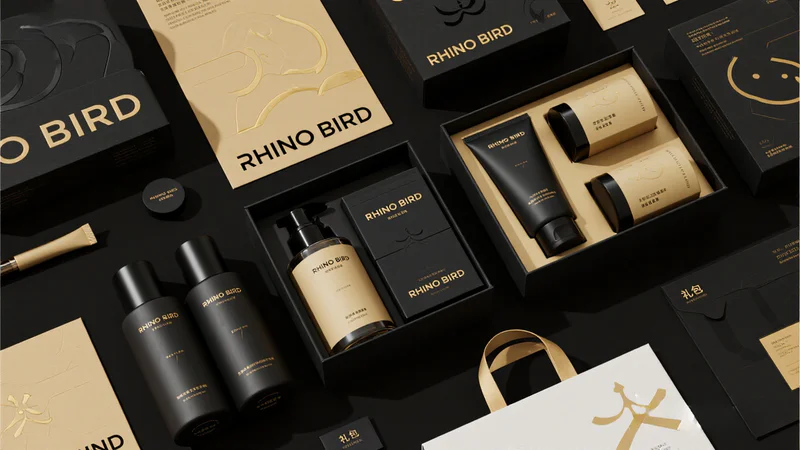
Low MOQ makes it easier for new skincare brands to launch.
That is one of its biggest advantages. It lowers the pressure of the first order, reduces inventory risk, and gives founders more room to test the market before scaling.
But low MOQ does not solve everything on its own.
In fact, some founders misunderstand low MOQ completely. They treat it like permission to launch faster without thinking carefully about product logic, packaging fit, or what the first order is actually meant to validate.
That is where mistakes happen.
Low MOQ is not a shortcut to careless launching. It is a smarter way to learn — if the launch is structured well.
Mistake 1: Starting with too many products
One of the most common early mistakes is launching with too many SKUs.
Founders often worry that one product will not look like enough. So they start with three, five, or even more products to make the brand feel more complete.
But for an early-stage brand, this usually creates more confusion than strength.
More products mean more formulas, more packaging decisions, more messaging complexity, and more inventory pressure. It also becomes harder to know which product is actually working.
Low MOQ works best when it helps a founder test clearly, not launch widely.
For most new brands, one strong first product — or one focused launch direction — teaches more than a scattered opening collection.
Mistake 2: Treating low MOQ like a pricing feature instead of a testing strategy
Some founders see low MOQ and immediately think: smaller order, lower risk, easier launch.
That is true, but incomplete.
The real value of low MOQ is not just that the order size is smaller. It is that the brand can validate key decisions before making bigger commitments.
A low MOQ launch should help answer questions like:
Is this the right product category?
Does the formula direction make sense?
Does the packaging support the positioning?
Is the market responding to this product clearly?
When founders use low MOQ only as a “cheap way to launch,” they often miss its real strategic value.
Mistake 3: Choosing products based only on trends
Trends are tempting, especially in skincare.
A founder may see ingredient buzz, popular textures, or fast-growing product categories and assume the best first move is simply to follow whatever is currently hot.
But trend-driven product choice is often unstable if it is not also matched to the brand, the packaging, and the customer the founder is actually trying to reach.
A better first product is usually not just trendy. It is clear, testable, and believable for the brand.
Low MOQ can help founders explore trend-aligned ideas, but it should not replace actual product logic.
Mistake 4: Choosing packaging as a visual decision only
Another common mistake is treating packaging as if it only exists to make the product look attractive.
But packaging affects much more than appearance. It influences usability, customer expectations, product positioning, and formula compatibility.
A package may look premium and still be the wrong fit for the formula. It may look modern and still create a weak user experience.
That is why packaging should not be selected in isolation.
At RhinobirdBeauty, formula and packaging options shown on the platform are matched and tested in advance. That means founders are not choosing packaging blindly. They are selecting from options that have already been built to work more reliably with the formulas available on the site.
That makes low MOQ launches easier to trust, because the brand is not testing random combinations. It is testing clearer and more workable product setups.
Mistake 5: Going straight from idea to order without enough testing
Low MOQ reduces the cost of launching, but it does not remove the value of testing before launch.
Some founders still move too quickly from idea to product order, especially when they are excited to launch. They pick a product concept, choose packaging, and place an order before they have really tested whether the direction feels right.
That is exactly why pre-launch testing matters.
At RhinobirdBeauty, launch kits give founders a way to explore product directions before moving into a larger order. Instead of guessing which category should become the first SKU, they can test different product types in sample form and make a more informed decision.
That creates a smarter launch path:
sample first → decide more clearly → launch with low MOQ → scale based on feedback
CTA: Explore the RhinobirdBeauty launch kit
Mistake 6: Trying to make the first launch perfect
The first launch is often overloaded with expectations.
Founders want the formula to be exceptional, the packaging to feel premium, the product line to look complete, and the branding to feel fully developed from day one.
But low MOQ works best when the first launch is treated as a learning stage, not a final stage.
The goal is not perfection. The goal is validation.
A launch that is clear, practical, and easy to learn from is often much more valuable than one that tries to look finished before the market has even responded.
Mistake 7: Ignoring how decisions connect together
Many early mistakes happen because founders treat each decision as separate.
They choose a product first. Then packaging later. Then branding later. Then ordering later.
But a skincare launch works better when those decisions are connected.
Product type affects packaging.
Packaging affects usability.
Usability affects positioning.
Positioning affects whether the customer understands the product.
Low MOQ creates more value when it sits inside a connected workflow.
That is one reason RhinobirdBeauty brings product selection, formula fit, packaging, online design, and launch steps together. It helps founders make better decisions because they can see the launch more clearly as one system, not as disconnected tasks.
Browse formulas, packaging, and start building your launch
What a smarter low MOQ launch actually looks like

A smarter low MOQ launch is not random, rushed, or purely trend-led.
It usually looks more like this:
start with one clear product direction
test before making a bigger commitment
choose packaging that fits both the product and the formula
keep the launch narrow enough to learn clearly
use feedback to decide what to scale next
This is where low MOQ becomes powerful.
Not because it lowers standards, but because it makes better learning possible.
Conclusion
Low MOQ is one of the best tools a new skincare brand can use.
But it only creates real value when founders avoid the most common early mistakes.
Starting too wide, following trends blindly, choosing packaging only by appearance, skipping testing, and trying to make the first launch perfect all make learning slower and launch decisions heavier.
A better approach is to use low MOQ the way it should be used: as a structured way to validate product direction, packaging fit, and market response before scaling.
At RhinobirdBeauty, that is exactly what the platform is built to support — with mature formulas, tested packaging matches, launch kits, online design, and a clearer workflow from idea to first order.
Because a smarter low MOQ launch is not just smaller.
It is better designed for learning.
Launch smarter with low MOQ at RhinobirdBeauty
Key Takeaways
Low MOQ is not just a smaller order size. It is a smarter way to validate product direction before scaling.
Many early-stage skincare brands make mistakes by launching too many products too soon.
Packaging should not be chosen only by appearance; it should also match the formula and user experience.
Launch kits help founders test product directions before committing to a larger order.
RhinobirdBeauty supports smarter low MOQ launches through mature formulas, tested packaging matches, and a connected workflow.