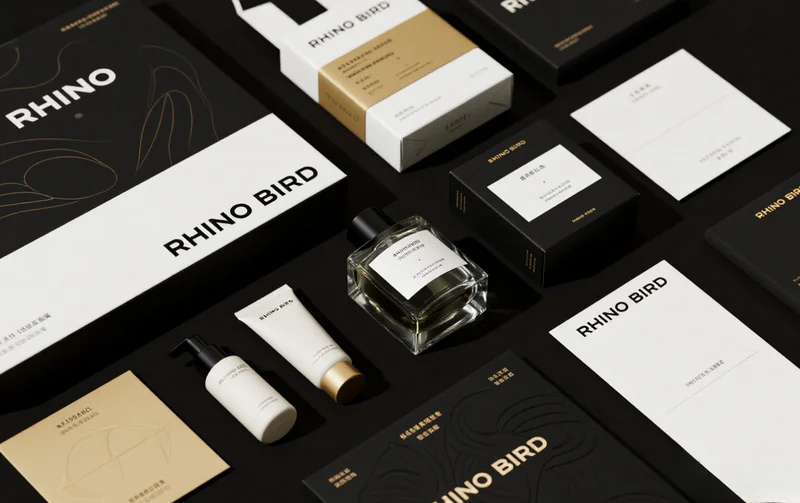
Choosing packaging for a skincare product is often treated like a design decision.
But for new brands, packaging is much more than visual presentation. It affects how the product feels, how the customer uses it, how the formula is perceived, and how clearly the brand is positioned from the start.
That is why packaging should not be treated as a final decoration layer.
It should be treated as part of the product itself.
Packaging is not just about appearance
A bottle, jar, tube, or pump does more than hold the formula.
It shapes customer expectations before the product is even opened.
A glass dropper bottle may suggest a concentrated treatment product.
An airless pump may suggest precision, hygiene, and premium performance.
A jar may feel familiar for creams, but less ideal for products where repeated exposure matters.
In other words, packaging already communicates something before the label does.
That is why the right packaging choice is not just about what looks attractive. It is about what fits the product.
Start with the product type

The first packaging decision should not begin with color or style. It should begin with product type.
Different skincare products usually work better with different packaging formats.
Serums often fit well with droppers or pump bottles
Creams are often paired with jars or airless pumps
Cleansers are often better suited to pump bottles or tubes
Lip care may require sticks, tubes, or small jars
Treatment products may need packaging that supports controlled use
The goal is not to follow fixed rules. It is to make sure the packaging supports how the product is meant to be used.
But product type is only the first layer. Packaging also has to work with the formula itself.
Just because a package looks right does not mean it is the right fit for the formula. Viscosity, dispensing style, product stability, and overall user experience can all be affected by the packaging choice.
At RhinobirdBeauty, we do not leave that to guesswork. We pre-test formula and packaging compatibility across the options available on the platform. That means when users choose packaging on the site, they are selecting from options that have already been matched and tested with the formulas shown there — not from random visual possibilities.
Packaging should support brand positioning

Once product fit is clear, the next question is positioning.
The same formula can feel very different depending on how it is packaged.
A minimalist airless bottle may feel clinical and modern.
A soft-touch tube may feel approachable and everyday.
A heavy glass bottle may feel premium and treatment-focused.
That means packaging is not just protecting the product. It is also helping shape how the customer understands the brand.
For a new brand, this matters a lot. Strong packaging fit makes the brand feel more coherent from the start.
Usability matters more than many founders expect
Packaging is also a user experience decision.
A package may look beautiful in a mockup and still be inconvenient in real use. If it is awkward to hold, unclear to dispense, or mismatched to the product texture, the experience quickly feels weaker.
Founders often focus on shelf look first. Customers remember ease of use just as much.
That is why good packaging should answer simple questions:
Is it easy to open and use?
Does it dispense the right amount?
Does it feel appropriate for the formula?
Does it make the product feel more trustworthy or more confusing?
In skincare, small usability details shape product perception more than many brands realize.
Packaging affects launch cost and flexibility
Packaging is not only a branding choice. It also affects how easy the product is to launch.
More complex packaging can raise cost, increase sourcing difficulty, and slow down decision-making. That does not mean brands should always choose the simplest option. It means packaging decisions should balance visual fit, product fit, and launch practicality.
For new brands, the best packaging choice is often not the most elaborate one. It is the one that supports the product clearly and allows the brand to move efficiently.
That is especially true when launching with low MOQ, where flexibility and faster testing matter.
Why packaging works better inside a connected and tested workflow
Many founders choose packaging in a fragmented way. First the product is chosen, then packaging is discussed separately, then design happens somewhere else, and ordering comes even later.
That creates friction.
Packaging works much better when it is part of one connected workflow: formula, packaging, design, and launch.
That is especially true because packaging should not be chosen independently from the formula. A package may look visually right but still be a poor functional fit. Compatibility matters.
At RhinobirdBeauty, formula and packaging are matched and tested in advance across the options shown on the platform. This means users are not selecting packaging blindly. They are choosing from packaging options that have already been validated for compatibility with the formulas available on the site.
That makes packaging decisions more reliable, more efficient, and much easier for new brands to act on.
Instead of treating packaging as an isolated design task, RhinobirdBeauty places it inside a broader launch system where brands can move from product selection to packaging choice, online design, and launch with much more clarity.
Browse packaging options and start building your product
The best packaging is the one that makes the product clearer
Founders sometimes assume that better packaging means more complex packaging.
But that is not always true.
The best packaging choice is not just the one that looks right. It is the one that fits the formula, supports the user experience, and has already been tested for compatibility.
It helps the customer quickly recognize what kind of product this is, how it should be used, and what kind of brand it belongs to.
That is what strong packaging fit really means.
Conclusion
Choosing skincare packaging is not just a design task.
It is a product decision, a customer experience decision, and a launch decision at the same time.
The right packaging should support the formula, reinforce the brand position, improve usability, and make the launch process easier rather than heavier.
At RhinobirdBeauty, packaging is part of a connected launch workflow where formula and packaging compatibility are tested in advance. That helps brands choose from packaging options that are not only visually aligned, but already validated for product fit.
Because the right packaging does not just make a product look better.
It helps the product make more sense — and when packaging has already been tested against the formula, it also makes the launch process more dependable.
Explore packaging, design your product, and launch with RhinobirdBeauty
Key Takeaways
Packaging is not just a visual choice. It affects product fit, customer perception, and usability.
The best packaging decision starts with product type, not decoration.
Packaging should match both the product category and the formula itself.
RhinobirdBeauty pre-tests formula and packaging compatibility, so users can choose from options that have already been matched and validated.
Good packaging should balance formula fit, user experience, brand clarity, and launch practicality.
RhinobirdBeauty helps brands choose packaging inside a connected workflow that links formula, design, and launch.