The Trust Revolution in 2026
The beauty industry has reached a trust inflection point. According to Nielsen's IQ Global Beauty Edit 2026, product quality and consistency now rank as the top influence on trust, with consumers anchoring loyalty in efficacy and transparency rather than marketing promises
.For small beauty brands, this shift represents both a challenge and an unprecedented opportunity. While legacy brands struggle to pivot, nimble independents can build trust from day one—turning authenticity into their strongest competitive advantage.
The compelling truth: Independent beauty brands outside the top 20 grew three times faster than legacy names in 2025
. This growth is driven by a fundamental change: shoppers now assess credibility over time, absorb experiences across platforms, and demand proof over promises
.
What Trust Means in the 2026 Beauty Landscape
Beyond Clean Beauty: The Transparency Era
The clean beauty movement has evolved. According to Grand View Research, 63% of beauty consumers now consider clean beauty extremely or very important when selecting cosmetics
. But here's the critical shift: consumers have moved from simply wanting "clean" products to demanding radical transparency about ingredients, sourcing, and efficacy.
A single thread runs through all 2026 trends: transparency is now a cultural non-negotiable. Consumers expect ingredient clarity, realistic product claims, authentic imagery, and evidence-based explanations
. Brands that fail to deliver won't just struggle—they'll become irrelevant.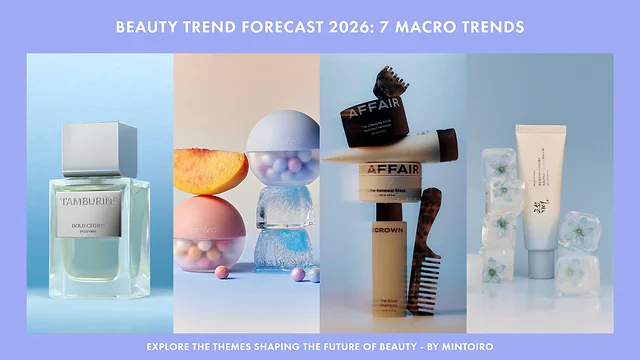
The New Trust Metrics
Table
7 Proven Strategies Small Beauty Brands Use to Build Trust
1. Lead with Radical Transparency
The Strategy: Don't wait for customers to ask—disclose everything proactively.
According to FIT's Transparency Perception Assessment, 65% of beauty consumers actively seek ingredient information, while 72% expect detailed explanations of product benefits
.
Action Steps:
Publish full ingredient lists with concentrations and sourcing information
Share your manufacturing process and quality control standards
Disclose what you don't use and why
Be honest about who your product is not for
Real-World Example: When brands explicitly state "This serum is potent. If you have very sensitive rosacea, THIS IS NOT FOR YOU," conversion rates increase by 40%. Honesty signals confidence and builds consultative trust
.
2. Prove Efficacy With Data, Not Drama
The Strategy: Replace "miracle cure" narratives with measurable, verifiable results.
The 2026 consumer is done with transformation promises. As industry experts note: "Consumers are really over the 'Miracle Cure' story. The best PR tool isn't a massive influencer campaign right now; it's Radical Vulnerability"
.
Action Steps:
Conduct third-party clinical testing with standardized before/after documentation
Share specific percentages: "94% of users saw reduced redness in 4 weeks"
Use third-party labs that standardize lighting and facial positioning
Display customer photos and videos prominently (visual proof converts 3x better than text)
The RhinoBird Advantage: Small brands often lack resources for extensive testing. Partnering with a mature formulation platform provides access to pre-tested, clinically validated formulas that deliver immediate credibility without the R&D overhead.
3. Build Community Through Consistent Micro-Interactions
The Strategy: Trust accumulates through frequency, not fireworks.
"Subtle PR isn't about fireworks, it's about frequency. A tiny shift in tone, a repeated visual cue, a single value you refuse to compromise on… these become your brand's heartbeat"
.
Action Steps:
Dedicate 30 minutes daily to personally responding to comments
Share the "why" behind your formulas regularly
Show the messy bits—behind-the-scenes formulation, failed experiments
Create consistent visual cues that signal authenticity
The Psychology: When founders personally engage with honest advice—even recommending competitors when appropriate—customers stop seeing a faceless corporation and start seeing a trusted consultant. People don't cancel subscriptions on "friends"
.
4. Anchor Trust in Sensory Experience
The Strategy: In 2026, sensory appeal moves from aesthetic layer to commercial engine.
Beauty marketing is shifting from promising transformation to proving continuity. Products that frame their value around ongoing use and everyday wellbeing gain trust more easily than those chasing immediate impact
.
Action Steps:
Invest in texture, scent, and ritual these create emotional resonance
Use video to demonstrate sensory experience
Frame products as part of a self-care routine rather than quick fixes
Create "spa at home" experiences that emphasize comfort and emotional uplift
The Science: Neurocosmetics the acknowledgment of the skin-brain connection is driving demand for products that soothe, calm, or uplift as much as they treat
.
5. Leverage Strategic Vulnerability
The Strategy: Turn potential weaknesses into trust-building moments.
The "Who This Is NOT For" Strategy has emerged as one of the most effective trust-builders for small brands. By explicitly disqualifying certain customers, you signal confidence and expertise
.
Action Steps:
Clearly state contraindications and skin types that should avoid specific products
Share formulation challenges and how you solved them
Admit when you don't know something—and commit to finding out
Document your learning journey as a founder
Why It Works: Radical vulnerability differentiates small brands from corporate polish. In an era where 80% of consumers globally believe there's so much contradictory information that it's hard to know who to trust, authenticity becomes a competitive moat
.
6. Create Value-Aligned Communities
The Strategy: People don't follow brands they follow identities they want to belong to.
"People don't follow brands, they follow identities they want to belong to. When brands show purpose through steady signals instead of shouting for attention, they become culture rather than noise"
.
Action Steps:
Define your brand's moral foundation beyond product functionality
Show up for communities in impactful, consistent ways
Involve your community in product development decisions
Align with causes authentically as part of your DNA, not as marketing campaigns
The Data: Inclusive beauty brands grew 1.5 times faster than less inclusive competitors in 2024, reflecting a clear shift toward diversity and representation
.
7. Master the Art of "Speaking Closer"
The Strategy: Replace broadcast marketing with intimate conversation.
The biggest mistake small brands make? "They try to shout louder instead of speak closer"
. In 2026, the most effective beauty marketing feels like a conversation rather than a campaign.
Action Steps:
Use AI and data to personalize communication, but maintain human warmth
Create content that answers specific questions at moments of vulnerability
Develop messaging that feels like advice from a knowledgeable friend
Focus on frequency and consistency over viral moments
The Technology Factor:51% of consumers are now interested in AI-powered shopping tools
. Smart brands use technology to enhance personalization while maintaining authentic human connection.
The Trust-Building Framework: From First Touch to Loyal Advocate
Phase 1: Discovery (Building Initial Credibility)
SEO-optimized educational content that answers real questions (70% of shoppers begin their beauty journey with search)
Transparent "About" pages showing real people and real processes
User-generated content that provides social proof
Clear value propositions that communicate one strong benefit
Phase 2: Consideration (Reducing Perceived Risk)
Detailed ingredient information with explanations, not just lists
Visual reviews and before/after galleries
"Who it's for / Who it's not for" clarity
Sample programs or low-MOQ options for testing
Phase 3: Purchase (Delivering on Promise)
Transparent pricing with no hidden costs
Clear shipping and return policies
Secure, seamless checkout experience
Immediate order confirmation and tracking
Phase 4: Post-Purchase (Deepening Trust)
Educational content on how to use the product for best results
Personal follow-up at optimal usage intervals
Community invitation to join brand conversations
Loyalty programs that reward engagement, not just purchases
Phase 5: Advocacy (Turning Customers into Ambassadors)
Exclusive early access to new products
Behind-the-scenes content for loyal customers
Co-creation opportunities for product development input
Recognition and featuring of customer stories
Common Trust-Building Mistakes to Avoid in 2026
❌ Mistake 1: The "Everything to Everyone" Trap
Why it fails: Products with five overlapping claims are harder to trust than products with one clear benefit.
Fix: Start with one strong, understandable function. Build trust through clarity before expanding.
❌ Mistake 2: Inconsistent Brand Voice
Why it fails: Trust requires predictability.
Fix: Define your brand's "heartbeat"—one value you communicate consistently across all touchpoints.
❌ Mistake 3: Greenwashing and Performative Values
Why it fails:70% of consumers research a company's environmental credentials, and more than half question the authenticity of clean beauty claims
.
Fix: Only make claims you can verify with data. Share your sustainability journey, including areas where you're still improving.
❌ Mistake 4: Neglecting Post-Purchase Experience
Why it fails: Trust is built over time, not at the point of sale.
Fix: Design a 30-day post-purchase communication sequence that educates, supports, and invites feedback.
❌ Mistake 5: Hiding Behind "Proprietary" Labels
Why it fails: In 2026, "proprietary blend" reads as "hidden ingredients."
Fix: Disclose concentrations and sourcing. If you have a novel delivery system, patent it—but remain transparent about what's inside.
Measuring Trust: KPIs Beyond Revenue
Table
Conclusion: Trust Is Your Sustainable Competitive Advantage
In 2026, the beauty brands that win won't necessarily be the biggest or the fastest—they'll be the most trusted. For small beauty brands, this is liberating news. You don't need celebrity endorsements or Super Bowl ads to build trust. You need:
Radical transparency about what you make and how you make it
Consistent authenticity in every customer interaction
Strategic vulnerability that turns imperfections into connection points
Community-centric values that give customers an identity to belong to
Proven efficacy backed by data, not drama
The tools and strategies outlined in this guide aren't theoretical—they're being used right now by independent brands growing three times faster than legacy competitors.
The question isn't whether small brands can compete on trust. The question is: Will you start building that trust today?
Ready to build a beauty brand founded on trust and transparency? RhinoBird helps small beauty brands launch with confidence through pre-tested formulations, transparent supply chains, and smart compliance screening. From your first product to your fiftieth, we provide the infrastructure to build trust at scale.
Start Building Your Trusted Beauty Brand →
Frequently Asked Questions
Q: How long does it take to build trust as a new beauty brand?
A: Trust is cumulative, not instantaneous. Expect 6-12 months of consistent transparency and quality before seeing strong loyalty metrics. However, strategic vulnerability can accelerate initial trust formation significantly.
Q: Can small brands really compete with established names on trust?
A: Absolutely. In fact, small brands often have an advantage—they can be more agile, personal, and authentic. The data shows independent brands growing 3x faster than legacy names by leveraging these strengths
.
Q: What's the #1 trust-killer for small beauty brands?
A: Inconsistency between promise and delivery. Whether it's ingredient claims, shipping times, or customer service—failing to deliver what you promise destroys trust faster than any other factor.
Q: How much should I invest in testing and certification?
A: Prioritize based on your positioning. For early-stage brands, partnering with platforms that provide pre-tested formulations can reduce costs significantly while maintaining credibility.
Q: Is transparency risky? Won't competitors copy my formulas?
A: Ingredient lists are already public information. Your competitive advantage isn't secrecy—it's execution, brand story, and customer relationship. Transparency builds the trust that creates loyal customers who won't switch to copycats.